


As a supplier of chain mesh belts, I often encounter inquiries from customers about various technical aspects of our products. One question that comes up quite frequently is, "What is the friction coefficient of a chain mesh belt?" In this blog post, I'll delve into this topic in detail, explaining what the friction coefficient is, how it affects the performance of chain mesh belts, and the factors that influence it.
Understanding the Friction Coefficient
The friction coefficient is a dimensionless number that represents the ratio of the force of friction between two surfaces to the normal force pressing the two surfaces together. In the context of a chain mesh belt, it refers to the interaction between the belt and the objects it conveys, as well as the belt and the supporting structure or drive system.
Mathematically, the friction coefficient (μ) is defined as:
[ \mu = \frac{F_f}{F_n} ]
where ( F_f ) is the frictional force and ( F_n ) is the normal force.
A higher friction coefficient means that there is more resistance to motion between the surfaces in contact. This can be both beneficial and detrimental, depending on the application.
Importance of Friction Coefficient in Chain Mesh Belts
The friction coefficient plays a crucial role in the operation of chain mesh belts. Here are some key aspects where it has a significant impact:
1. Conveying Efficiency
The friction between the chain mesh belt and the conveyed materials determines how effectively the belt can move the materials along the conveyor. A sufficient friction coefficient is necessary to prevent the materials from slipping on the belt, ensuring smooth and reliable transportation. If the friction is too low, the materials may not move forward as intended, leading to jams and reduced productivity.
2. Power Consumption
The friction between the belt and the drive system also affects the power required to operate the conveyor. A higher friction coefficient generally means more power is needed to overcome the resistance and keep the belt moving. Therefore, finding the right balance is essential to optimize energy consumption and reduce operating costs.
3. Wear and Tear
Excessive friction can cause increased wear and tear on the chain mesh belt and the associated components. Over time, this can lead to premature failure of the belt, requiring frequent replacements and increasing maintenance costs. On the other hand, too little friction may also result in abnormal wear patterns due to slipping and misalignment.
Factors Affecting the Friction Coefficient of Chain Mesh Belts
Several factors can influence the friction coefficient of a chain mesh belt. Understanding these factors can help us select the appropriate belt for a specific application and take measures to optimize its performance.
1. Material of the Belt and Conveyed Objects
The type of material used for the chain mesh belt and the objects being conveyed has a significant impact on the friction coefficient. For example, a belt made of a rough or rubber - coated material will generally have a higher friction coefficient compared to a smooth metal belt. Similarly, the surface properties of the conveyed materials, such as their roughness, hardness, and moisture content, can also affect the friction.
2. Surface Finish
The surface finish of the chain mesh belt can greatly influence the friction coefficient. A belt with a smooth surface will have less friction compared to one with a textured or rough surface. Manufacturers can control the surface finish during the production process to achieve the desired friction characteristics.
3. Load and Pressure
The amount of load placed on the belt and the pressure exerted between the belt and the supporting structure or conveyed materials can affect the friction coefficient. Higher loads and pressures typically result in a higher friction coefficient, as the surfaces are pressed more tightly together.
4. Lubrication
Lubrication can significantly reduce the friction coefficient between the chain mesh belt and the contacting surfaces. Applying a suitable lubricant can create a thin film between the surfaces, reducing the direct contact and friction. However, in some applications where the presence of lubricants is not allowed (e.g., in food processing), other methods may need to be used to control the friction.
Measuring the Friction Coefficient of Chain Mesh Belts
Measuring the friction coefficient of a chain mesh belt can be a complex process. There are several methods available, including:
1. Incline Plane Method
In this method, the belt is placed on an inclined plane, and the angle of the incline is gradually increased until the conveyed object starts to slide. The tangent of the angle at which sliding occurs is equal to the friction coefficient between the belt and the object.
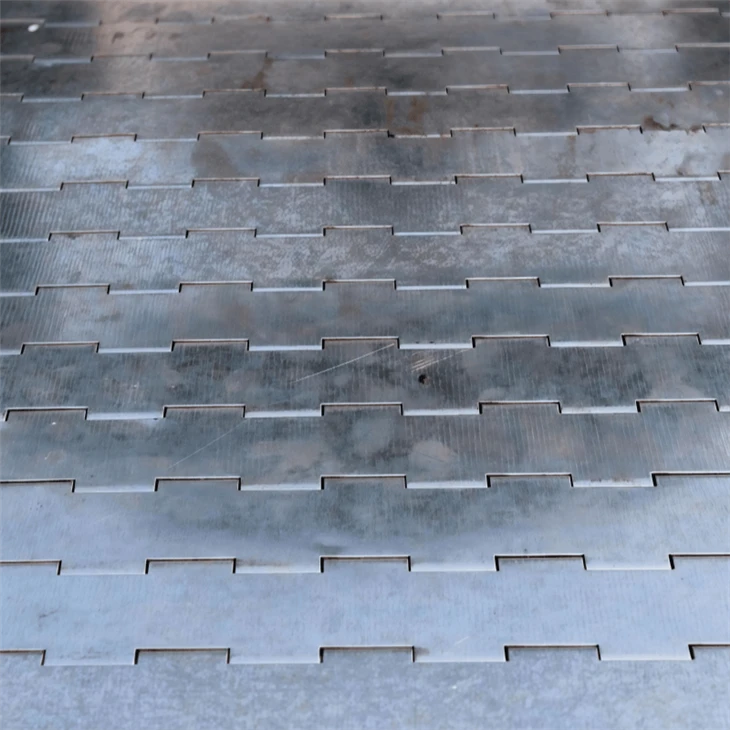

2. Tensile Testing
Tensile testing can be used to measure the force required to move the belt against a fixed surface under a known normal force. By dividing the measured frictional force by the normal force, the friction coefficient can be calculated.
Applications and Friction Coefficient Requirements
Different applications have different requirements for the friction coefficient of chain mesh belts. Here are some common applications and their typical friction coefficient needs:
1. Food Processing
In food processing applications, the friction coefficient needs to be carefully controlled to ensure the safe and efficient handling of food products. A moderate friction coefficient is usually required to prevent the food from slipping while also allowing for easy cleaning and maintenance. Our Chain Conveyor Mesh Belt is designed to meet these specific requirements, with a surface finish and material selection that provide the optimal friction for food handling.
2. Mining and Heavy Industry
In mining and heavy - industry applications, where large and heavy materials need to be conveyed, a high friction coefficient is often necessary to ensure that the materials are securely transported. Our Chain Belt Conveyor is engineered to handle these demanding conditions, with a robust design and high - friction surface to prevent material slippage.
3. Electronics Manufacturing
In electronics manufacturing, precision and gentle handling of delicate components are crucial. A low friction coefficient is typically required to prevent damage to the components during transportation. Our Chain Link Conveyor Belt can be customized with a smooth surface finish to meet the low - friction requirements of electronics manufacturing.
Conclusion
The friction coefficient of a chain mesh belt is a critical parameter that affects its performance, efficiency, and durability. As a supplier, we understand the importance of providing our customers with chain mesh belts that have the appropriate friction characteristics for their specific applications. By considering factors such as material, surface finish, load, and lubrication, we can optimize the friction coefficient of our belts to meet the diverse needs of our customers.
If you are in the market for a high - quality chain mesh belt and have specific requirements regarding the friction coefficient or other technical aspects, we are here to help. Our team of experts can provide you with detailed information and guidance to select the most suitable belt for your application. Contact us today to start a conversation about your chain mesh belt needs and explore the possibilities of a successful partnership.
References
- Bowden, F. P., & Tabor, D. (1950). Friction and Lubrication of Solids. Oxford University Press.
- Czichos, H., Habig, K. - H., & K friction coefficient of chain mesh belts can be a complex process. There are several methods available, including:
1. Incline Plane Method
In this method, the belt is placed on an inclined plane, and the angle of the incline is gradually increased until the conveyed object starts to slide. The tangent of the angle at which sliding occurs is equal to the friction coefficient between the belt and the object.
2. Tensile Testing
Tensile testing can be used to measure the force required to move the belt against a fixed surface under a known normal force. By dividing the measured frictional force by the normal force, the friction coefficient can be calculated.
Applications and Friction Coefficient Requirements
Different applications have different requirements for the friction coefficient of chain mesh belts. Here are some common applications and their typical friction coefficient needs:
1. Food Processing
In food processing applications, the friction coefficient needs to be carefully controlled to ensure the safe and efficient handling of food products. A moderate friction coefficient is usually required to prevent the food from slipping while also allowing for easy cleaning and maintenance. Our Chain Conveyor Mesh Belt is designed to meet these specific requirements, with a surface finish and material selection that provide the optimal friction for food handling.
2. Mining and Heavy Industry
In mining and heavy - industry applications, where large and heavy materials need to be conveyed, a high friction coefficient is often necessary to ensure that the materials are securely transported. Our Chain Belt Conveyor is engineered to handle these demanding conditions, with a robust design and high - friction surface to prevent material slippage.
3. Electronics Manufacturing
In electronics manufacturing, precision and gentle handling of delicate components are crucial. A low friction coefficient is typically required to prevent damage to the components during transportation. Our Chain Link Conveyor Belt can be customized with a smooth surface finish to meet the low - friction requirements of electronics manufacturing.
Conclusion
The friction coefficient of a chain mesh belt is a critical parameter that affects its performance, efficiency, and durability. As a supplier, we understand the importance of providing our customers with chain mesh belts that have the appropriate friction characteristics for their specific applications. By considering factors such as material, surface finish, load, and lubrication, we can optimize the friction coefficient of our belts to meet the diverse needs of our customers.
If you are in the market for a high - quality chain mesh belt and have specific requirements regarding the friction coefficient or other technical aspects, we are here to help. Our team of experts can provide you with detailed information and guidance to select the most suitable belt for your application. Contact us today to start a conversation about your chain mesh belt needs and explore the possibilities of a successful partnership.
References
- Bowden, F. P., & Tabor, D. (1950). Friction and Lubrication of Solids. Oxford University Press.
- Czichos, H., Habig, K. - H., & K friction coefficient of chain mesh belts can be a complex process. There are several methods available, including:
1. Incline Plane Method
In this method, the belt is placed on an inclined plane, and the angle of the incline is gradually increased until the conveyed object starts to slide. The tangent of the angle at which sliding occurs is equal to the friction coefficient between the belt and the object.
2. Tensile Testing
Tensile testing can be used to measure the force required to move the belt against a fixed surface under a known normal force. By dividing the measured frictional force by the normal force, the friction coefficient can be calculated.
Applications and Friction Coefficient Requirements
Different applications have different requirements for the friction coefficient of chain mesh belts. Here are some common applications and their typical friction coefficient needs:
1. Food Processing
In food processing applications, the friction coefficient needs to be carefully controlled to ensure the safe and efficient handling of food products. A moderate friction coefficient is usually required to prevent the food from slipping while also allowing for easy cleaning and maintenance. Our Chain Conveyor Mesh Belt is designed to meet these specific requirements, with a surface finish and material selection that provide the optimal friction for food handling.
2. Mining and Heavy Industry
In mining and heavy - industry applications, where large and heavy materials need to be conveyed, a high friction coefficient is often necessary to ensure that the materials are securely transported. Our Chain Belt Conveyor is engineered to handle these demanding conditions, with a robust design and high - friction surface to prevent material slippage.
3. Electronics Manufacturing
In electronics manufacturing, precision and gentle handling of delicate components are crucial. A low friction coefficient is typically required to prevent damage to the components during transportation. Our Chain Link Conveyor Belt can be customized with a smooth surface finish to meet the low - friction requirements of electronics manufacturing.
Conclusion
The friction coefficient of a chain mesh belt is a critical parameter that affects its performance, efficiency, and durability. As a supplier, we understand the importance of providing our customers with chain mesh belts that have the appropriate friction characteristics for their specific applications. By considering factors such as material, surface finish, load, and lubrication, we can optimize the friction coefficient of our belts to meet the diverse needs of our customers.
If you are in the market for a high - quality chain mesh belt and have specific requirements regarding the friction coefficient or other technical aspects, we are here to help. Our team of experts can provide you with detailed information and guidance to select the most suitable belt for your application. Contact us today to start a conversation about your chain mesh belt needs and explore the possibilities of a successful partnership.
References
- Bowden, F. P., & Tabor, D. (1950). Friction and Lubrication of Solids. Oxford University Press.
- Czichos, H., Habig, K. - H., & K rber, O. (2006). Tribology - Friction, Wear, Lubrication. Wiley - VCH.
- Rabinowicz, E. (1995). Friction and Wear of Materials. Wiley - Interscience.


